?
Is the substrate stone, brick, timber or metal (not painted plaster or fragile finishes)?
Heritage-recognised, conservator-coordinated cleaning for sandstone, masonry, monuments and listed buildings. Sample-test first, document everything.
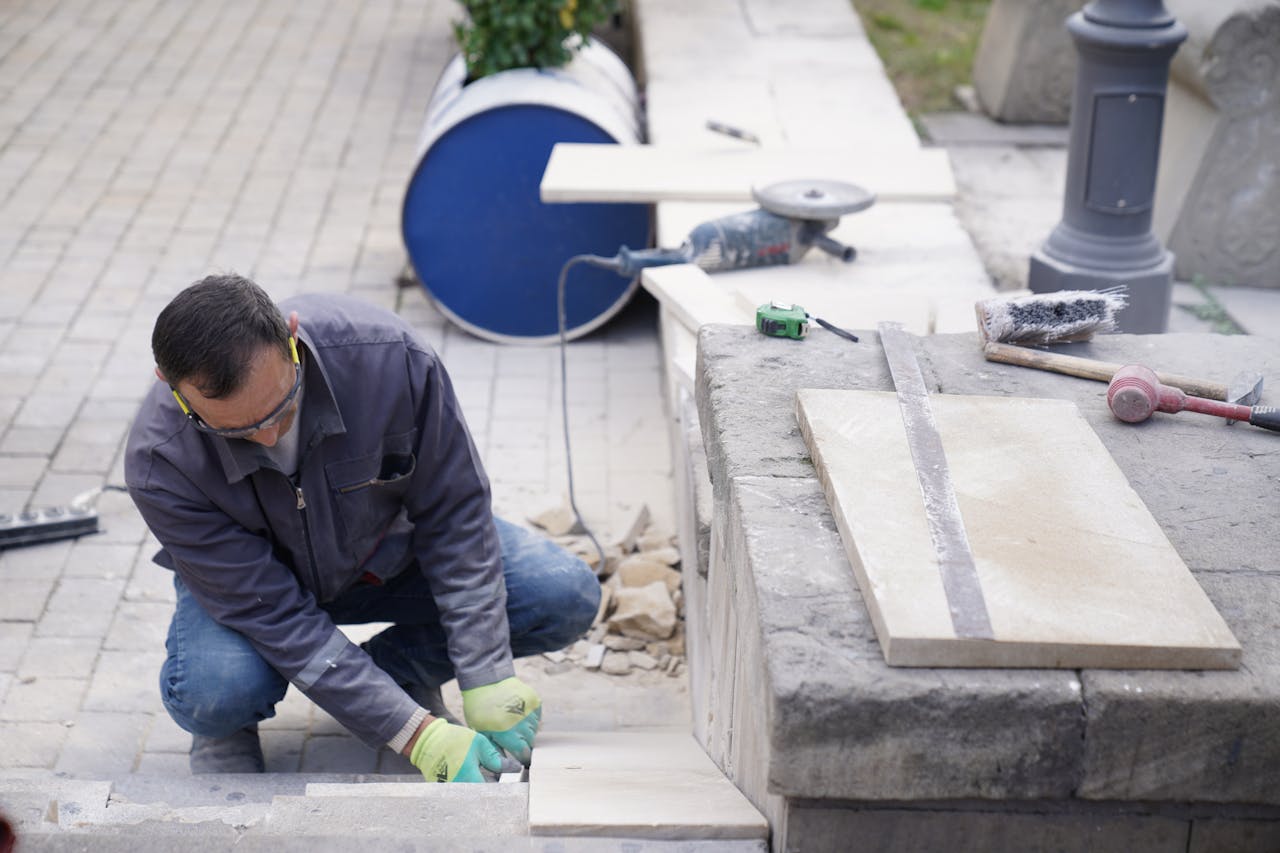
Heritage cleaning is constrained by what the heritage authority will approve. Sandblasting damages soft stone. Acid wash etches sandstone and saturates mortar. Pressure-washing forces water into joints. Dry ice cleaning is recognised as one of the gentlest physical-removal methods available — used routinely on listed buildings, monuments and statuary. We sample-test on inconspicuous areas before any large-area work. We coordinate with your heritage architect or conservator. We produce documentation suitable for council and heritage register sign-off.
Substrate compatibility and reversibility are the two questions that matter most.
Is the substrate stone, brick, timber or metal (not painted plaster or fragile finishes)?
Has a sample-area test on an inconspicuous spot demonstrated no damage?
Is the contamination biological soiling, soot, graffiti or particulate (not a coating that needs full removal to bare substrate)?
Dry ice conservation clean
Low-pressure (40-60 PSI) precision work. Reversible. Documented for council/conservation sign-off. Sample-area, full-job photo log.
See this service →Sample-area test first
Always start with a 0.5m² test on an inconspicuous corner. Document the result and present to the conservation architect before scope-up.
See this service →Traditional conservation methods
Painted plaster, gilded surfaces and very fragile finishes typically need traditional conservation methods. Dry ice can be too aggressive even at low pressure.
Talk to our conservator
Coating-removal scopes need a longer conversation. Send the substrate spec and we'll scope an approach.
See this service →Is dry ice approved for heritage works?
It's widely accepted as one of the gentlest physical-removal methods available, used routinely on listed buildings, statuary and monuments under conservator oversight. We coordinate with your heritage architect or conservator on every project.
Will it strip the stone surface?
No — at correct pressure, it removes only the contamination layer. The original substrate, weathering pattern, mason marks and detail are preserved exactly. Sample-testing on inconspicuous areas validates pressure before any large-area work.
Will it damage mortar joints?
No — sound mortar joints are unaffected. Dry ice doesn't saturate or wash mortar the way pressure-washing does. We do flag any joints showing existing failure rather than cleaning over them.
Does it leave ghosting on graffiti removal?
In most cases no — we test pressure first. On highly porous stone we may combine techniques to avoid shadowing. Sample-test always available before the council signs off on the broader job.
Free tools, downloads and offers most useful for your decision context.
Heritage authority approval, conservator coordination, council preferred-supplier pathway.
50+ verified before/after projects across auto, restoration, food, marine, electrical, heritage.
Skip the quote form and go straight to a fixed quote within 24 hours.
Lift soiling, biological growth and overpaint from heritage stone, brick and timber.
Remove tags from sensitive surfaces — heritage stone, painted facades and signage — without ghosting.
Sandstone, brick, render and concrete — cleaned without acid wash or sandblasting.
Heritage property owner / council conservator customers typically get a fixed quote within 24 hours of reaching out. Tell us about your specific situation.
In most jurisdictions, yes — it's a recognised non-abrasive physical-removal method. We provide method documentation, sample-test results and conservator alignment as part of any heritage approval submission.
Yes — every heritage project is conservator-led on scoping, methodology and sign-off. We work alongside (never around) the heritage architect or conservation team.
We're happy to go through a tender or supplier-qualification process — methodology documents and insurance certificates are available. Email office@dryiceblasters.com.au for details.
Per facade depending on size and detail — small monuments in 1-2 days, council buildings in 1-2 weeks, listed-building facades in 2-6 weeks for full programs.
Tell us what you need cleaned. We come back with a fixed quote within 24 hours — and an exact estimate range while you wait.