Fire & Smoke Damage Cleaning
Strip soot from timber, masonry and contents without sanding, sandblasting or chemical washing.
Strip soot from timber, masonry and contents without sanding, sandblasting or chemical washing.
After a fire, timber framing, masonry walls and salvageable contents are coated in oily soot that physically penetrates surface grain. Sanding generates contaminated dust; pressure washing soaks already-fragile materials; chemical degreasers smear soot rather than removing it and leave a film that yellows over time. Dry ice blasting lifts soot off porous and sensitive surfaces without saturation, dust, or chemical residue — ideal for restoration where the substrate must be saved.
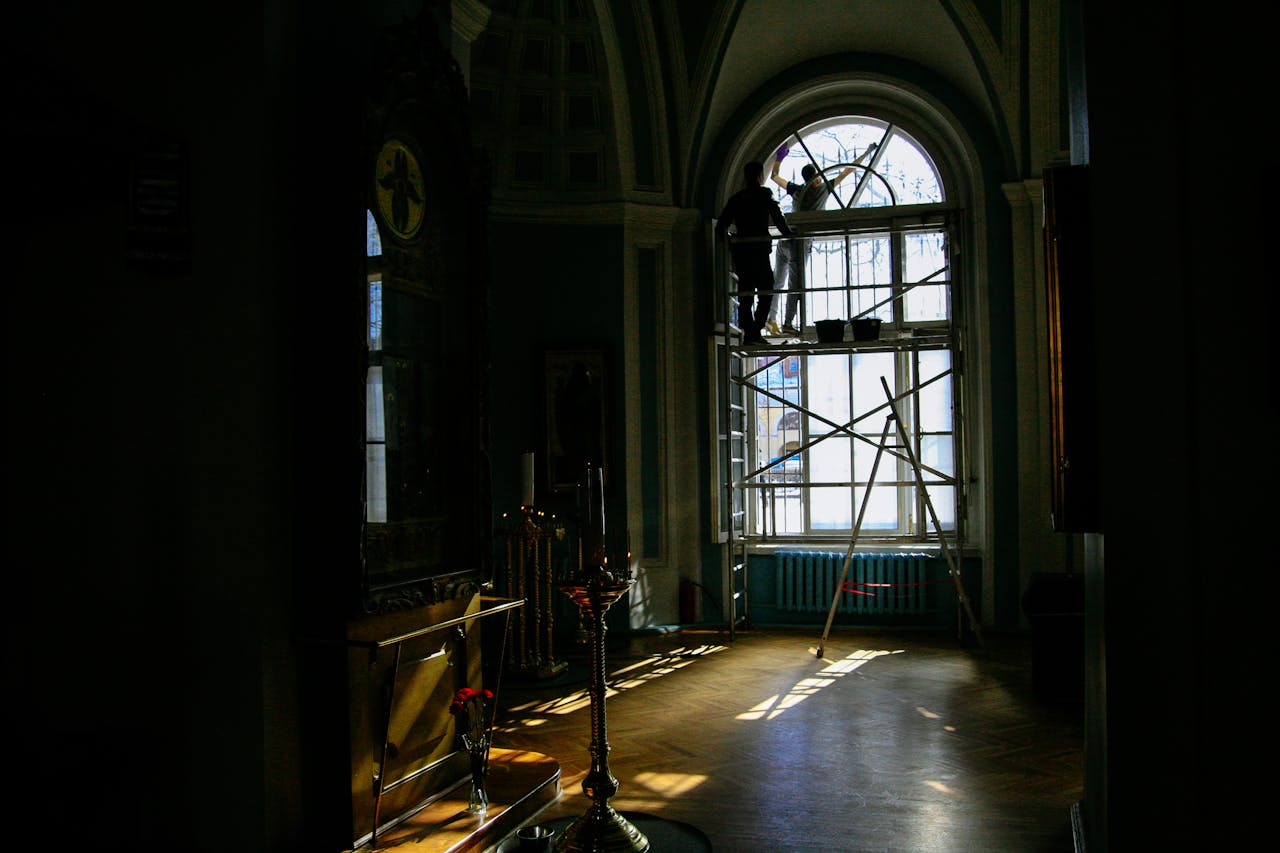
Stock imagery for now — we'll replace with own-job photography as we deliver work through 2026.
What you can expect
- Residential post-fire timber restoration
- Commercial soot removal
- Industrial equipment recovery
- Insurance contents cleaning
- Heritage building post-fire restoration
Why dry ice for fire & smoke damage
Saves savable timber
Charred surface layers can be removed, exposing clean structural timber underneath. No sanding dust.
No water in already-soaked structures
No additional moisture into walls, ceilings or insulation that may already be water-damaged from suppression.
Smoke-tarred masonry brought back
Brick, sandstone and concrete clean back to original colour without acid wash damage.
Contents recovery
Tools, equipment and machinery can often be cleaned in place rather than written off.
Documented for insurance
Photo logs, area maps and material counts produced for the loss adjuster.
How a typical fire & smoke damage job runs
- 1
Loss assessment
Walk-through with the adjuster or builder; identify what to clean vs replace.
- 2
Containment
HEPA negative-air containment if active works are nearby; soot is captured during cleaning.
- 3
Dry ice blast
Surface soot removed from framing, masonry, equipment and salvageable contents.
- 4
Odour treatment
Optional ozone or hydroxyl-generator step where smoke odour persists in materials.
Surfaces & limits
Where this service works well — and the situations we'll flag for repair instead of cleaning.
- Timber framing
- Brick, stone & concrete
- Steel structure
- Equipment & machinery
- Contents (tools, white-goods)
- Burnt-through structural elements (replace, don’t clean)
- Severely water-saturated organics still pending drying
Typical price for fire & smoke damage
Production lines, marine vessels, restoration zones, multi-day commercial work.
Final price depends on condition, scope and travel. Use the quote form for a postcode-specific estimate.
Get exact estimateService-specific FAQs
Will it remove the smoke smell?
Cleaning removes the soot that holds odour. For deeply absorbed smoke we add ozone or hydroxyl treatment as a final step.
Can it save charred framing?
In most surface-char situations, yes. Heavily charred or structurally compromised members must still be replaced.
How much does fire damage cleaning cost?
Typically priced per zone and material. A single residential room can be from $1,200; commercial and industrial loss is quoted per scope.
Do you work directly with insurers?
Yes — we work daily alongside loss adjusters, restoration builders and remediation hygienists.
Is the process safe for occupants nearby?
During active works we run HEPA filtration and containment. Areas not being cleaned remain occupiable in most cases.
Related services
Mold Remediation
Remove mold from timber, masonry and HVAC without chemicals — fast, documented, IICRC-aligned.
Soot Removal (Sensitive Surfaces)
Lift soot off heritage timber, painted walls, electronics and decorative surfaces without damage.
Water Damage Equipment Recovery
Recover machinery, motors and panels after flooding without further moisture damage.
Ready for a fire & smoke damage quote?
Send a brief for an instant range, or send us a quick brief and we'll come back within 24 hours with a fixed quote.
Or talk to us directly
- 02 5302 6367
- office@dryiceblasters.com.au
- Mon–Fri 7am–6pm · Sat 8am–2pm · Sun by appointment