MV Switchgear — De-Energised Cleaning in a Scheduled Outage
A worked example of how medium-voltage switchgear could be cleaned during a scheduled shutdown, once isolated and proven de-energised. Illustrative, not a completed job.
A worked example of how medium-voltage switchgear could be cleaned during a scheduled shutdown, once isolated and proven de-energised. Illustrative, not a completed job.
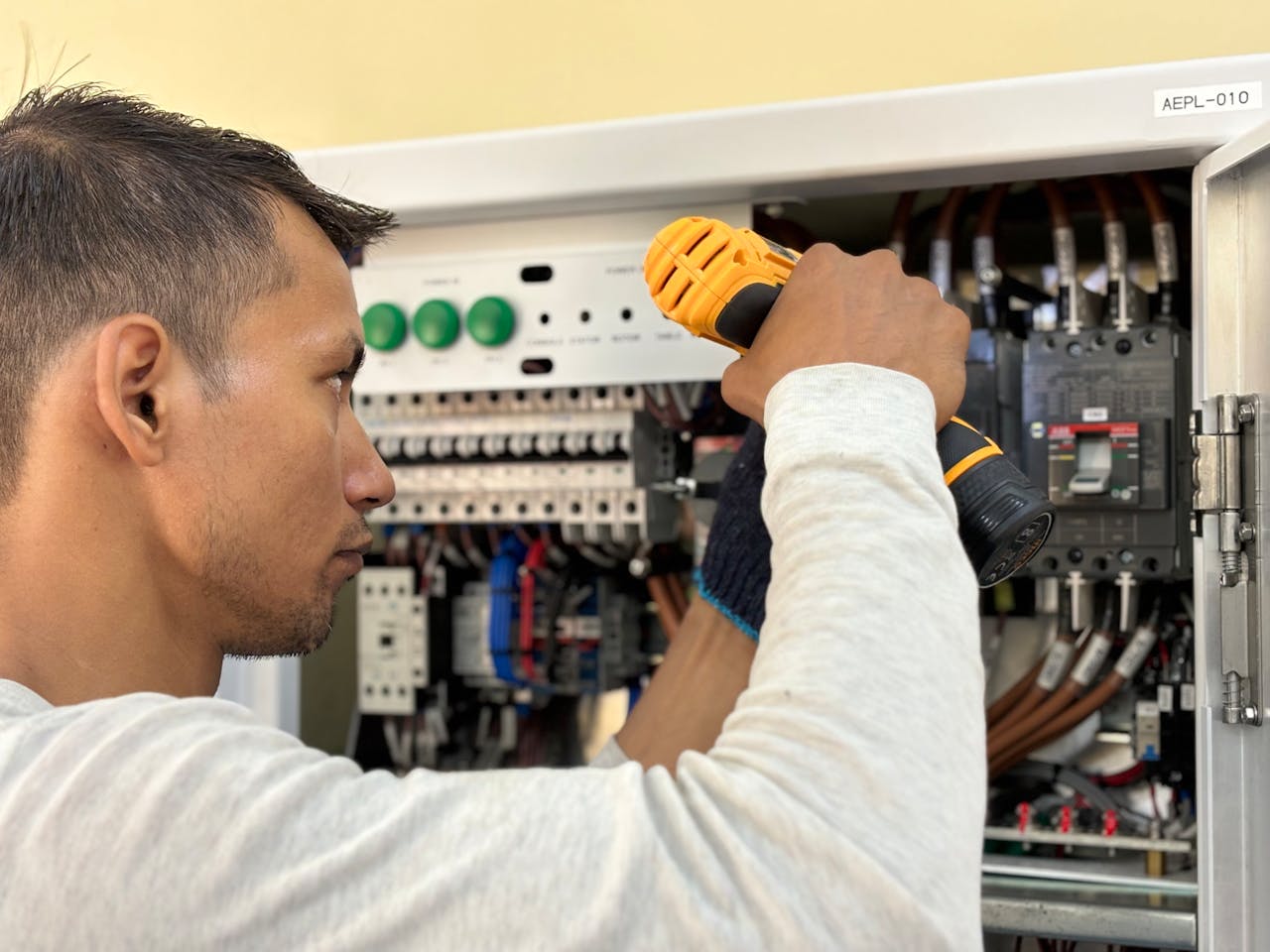
The scenario
A distribution facility deferring its switchgear cleaning maintenance because the only window for shutdown is a planned outage that keeps getting pushed is a common position for a reliability engineer to be in. Dust accumulation on insulators and busbars reaching levels the reliability engineer is uncomfortable with is the trigger that usually brings this kind of job forward.
The ask in a scenario like this: get the equipment cleaned within the next planned outage, and make the outage as short as possible. We do not clean switchgear that hasn’t been isolated and proven dead — the job only proceeds once the asset owner’s licensed electrical worker has issued the isolation permit for the scheduled window.
How the work would run
Pre-work. Site walk-through with the asset owner and electrical authority. Risk assessment covering the specific equipment and procedure being used, and confirmation of the isolation/LOTO permit for the outage window. PPE requirements would include arc-rated suits, face shields and voltage-rated gloves, worn during isolation verification.
Isolation and proving dead. The asset owner’s licensed electrical worker isolates each panel, locks it out and proves it dead. Our own lock and tag go on the isolation point before any nozzle is picked up. Backfeed sources are checked and isolated as part of the same permit.
IR baseline. An insulation resistance test on each panel before any cleaning, recorded for handover.
Cleaning. Pellet feed at low pressure (60-70 PSI) — much lower than industrial cleaning. Working from the top of each panel down, with a 60-degree spread nozzle. Particulate captured by a HEPA-filtered vacuum positioned at the base of each panel. No water, no solvent, so there’s nothing to dry before re-energisation.
IR retest. An insulation resistance test after each panel, by the client’s electrician, to compare against baseline before any re-energisation decision.
Documentation. Per-panel photo log, IR test sheets, and a cleaning record signed by the asset owner’s representative and the licensed electrical worker.
What a job like this typically involves
- All panels cleaned within a single scheduled outage is a realistic target for a job of this scale.
- Keeping that outage as short as possible is the point of the exercise — not avoiding the outage. No isolation certificate, no blasting.
- On insulation resistance: we do not have a verified published source for a specific improvement figure, and independent checking found no published, sourced percentage for IR improvement from dust removal on MV switchgear. We are not quoting one here — any change in a real job’s readings would need to be reported from that job’s own before/after test sheets, not a stated “typical” range.
- A documented isolation and cleaning procedure the site can reuse for its next scheduled outage.
Want similar work for your project?
Tell us what you need cleaned. We come back with a fixed quote within 24 hours — and an exact estimate range while you wait.
Or talk to us directly
- 02 5302 6367
- office@dryiceblasters.com.au
- Mon–Fri 7am–6pm · Sat 8am–2pm · Sun by appointment
About this scenario. Dry Ice Blasters launched in 2026. This piece illustrates how a typical electrical equipment cleaning job runs — drawn from industry-standard work patterns, our team's prior operator experience and equipment specs. Process, scope and outcomes reflect what you can expect when you book us. Documented customer jobs are marked "Case study" on the projects page.