Insurance Restoration
Save the substrate. Document the work. Close the claim.
Save the substrate. Document the work. Close the claim.
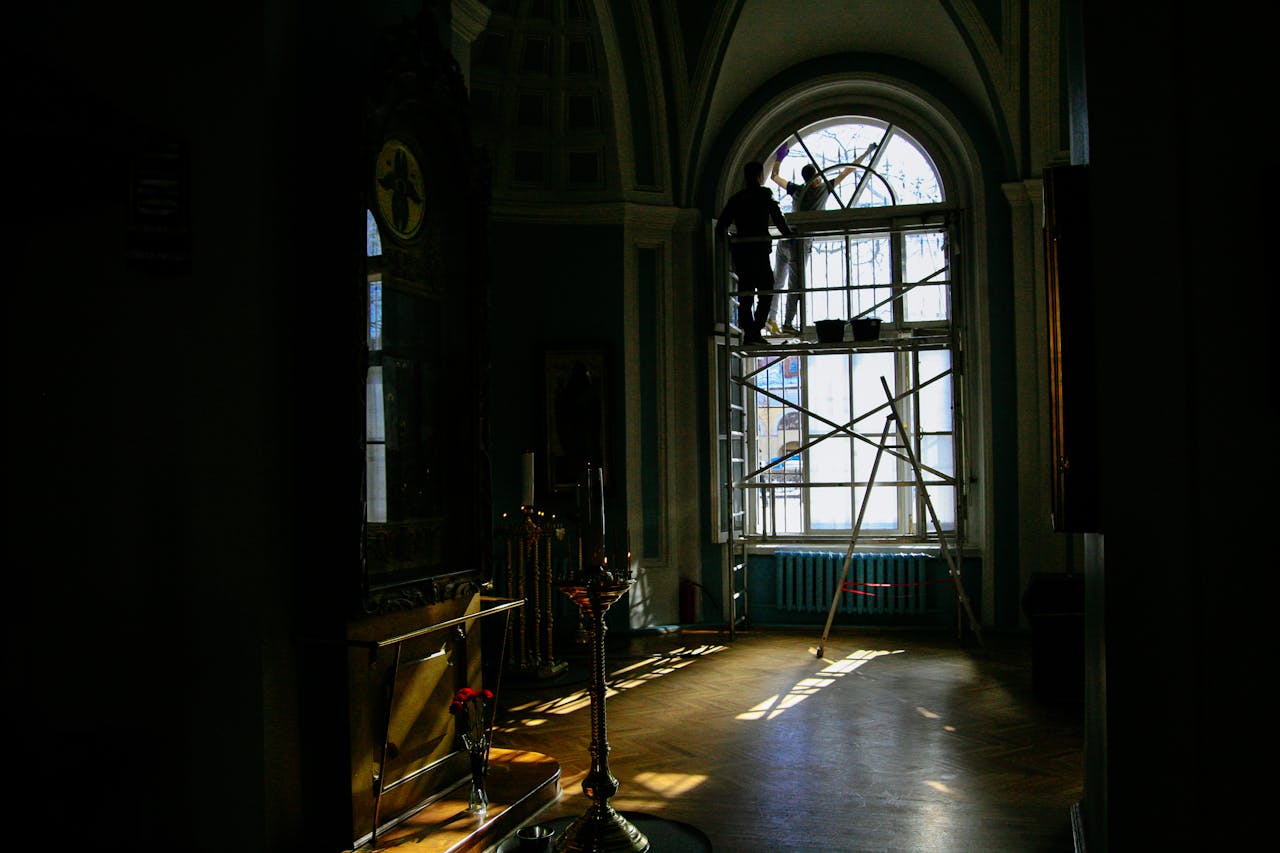
Insurance restoration is where dry ice cleaning saves the most money. The difference between repairing and replacing materials on a fire, mold or water claim runs into hundreds of thousands of dollars. Sandblasting damages timber framing. Pressure-washing soaks already-saturated structures. Chemical biocides leave residue and don't satisfy hygienist clearance reliably. Dry ice physically removes contamination from timber framing, masonry, contents and equipment — IICRC-aligned, hygienist-coordinated, and documented for adjuster sign-off. We're set up to sub-trade to restoration builders across the Sydney → Central Coast → Newcastle corridor. Mobilisation on declared events is scheduled by arrangement — call us to check availability.
Topics covered
Mold remediation (IICRC S520)
Physical removal of mold from timber framing, masonry, HVAC and contents. Aligned with the IICRC S520 framework.
Fire and smoke damage (IICRC S540)
Soot lifted from timber, stone and contents without sanding dust or chemical residue.
Water-damage equipment recovery
Motors, panels, conveyors recovered post-flood without re-introducing moisture.
Soot removal — sensitive surfaces
Heritage timber, painted finishes, electronics, decorative surfaces — saved through the soot layer.
Documentation pack
Per-zone photo log, area maps, surface readings, procedure record — adjuster + hygienist ready.
Sub-trade onboarding
Insurance certificates, monthly billing, builder-friendly scheduling.
Services in this pillar
Pick a service to see scope, pricing and process detail.
Mold Remediation
Remove mold from timber, masonry and HVAC without chemicals — fast, documented, IICRC-aligned.
Fire & Smoke Damage
Strip soot from timber, masonry and contents without sanding, sandblasting or chemical washing.
Water Damage Equipment Recovery
Recover machinery, motors and panels after flooding without further moisture damage.
Soot Removal (Sensitive Surfaces)
Lift soot off heritage timber, painted walls, electronics and decorative surfaces without damage.
Free resources for insurance
Download lead magnets, see project galleries, and access the quote form.
The Insurance Adjuster's Guide to Dry Ice Restoration
A 28-page guide to using dry ice cleaning in fire, mold and water-damage claims.
Before/After Project Gallery (50+ verified projects)
50+ verified before/after projects across auto, restoration, food, marine, electrical, heritage.
60-Second Quote Tool
Skip the quote form and go straight to a fixed quote within 24 hours.
In-depth guides
Long-form articles dedicated to this pillar's customers, decisions and applications.
Insurance Restoration with Dry Ice — A Builder's Guide
How dry ice cleaning fits into IICRC-aligned restoration workflows. For builders, adjusters and hygienists working fire, mold and water-damage claims.
Dry Ice Cleaning Safety & Surface Compatibility
What surfaces dry ice cleaning works on, what it doesn't, and the safety considerations for operators and bystanders.
The Complete Guide to Dry Ice Blasting in Australia
Everything you need to know about dry ice cleaning — how it works, where it shines, what it costs, and when to use something else. The cornerstone explainer.
Insurance FAQs
How does dry ice cleaning fit an IICRC scope?
The IICRC standards set out required outcomes rather than endorsing particular equipment. Dry ice cleaning is used as a physical-removal step within S500 (water), S520 (mold) and S540 (fire) scopes, and we work alongside your IICRC-certified hygienist, who holds the certification and signs off clearance.
How fast can you mobilise on a declared event?
Scheduled by arrangement — call us to check availability. We coordinate with the restoration lead on prioritisation.
What documentation do you provide?
Per-zone photo log, area maps, procedure records, surface readings, sign-off summary — delivered as a structured PDF + photo bundle within 48 hours of close-out.
Can you sub-trade under a restoration builder?
Yes — we're set up to work sub-trade. Insurance certificates issued direct to your broker, monthly billing, builder-friendly scheduling.
Get a free quote in 60 seconds.
Tell us what you need cleaned. We come back with a fixed quote within 24 hours — and an exact estimate range while you wait.
Or talk to us directly
- 02 5302 6367
- office@dryiceblasters.com.au
- Mon–Fri 7am–6pm · Sat 8am–2pm · Sun by appointment